
Perimenopause Explained for Women Over 40: Hormonal Changes, Symptoms, and Natural Relief
Jan 12, 2026
A Holistic, Faith-Aligned Guide to Understanding Your Body and Restoring Balance
Introduction: Why Does My Body Suddenly Feel So Different?
Have you ever woken up and thought, "Something feels off—but I can't quite explain why"?
If you're a woman in your 40s (or beyond), this experience is more common than anyone warned you about. One day your energy feels steady, and the next you're dealing with interrupted sleep, brain fog, unexplained weight gain, or emotions that seem louder than usual. It can feel confusing, frustrating, and even isolating.
This season is called perimenopause, and despite how unsettled it may feel, it is not a sign that your body is failing. It is a natural transition—one that signals hormonal and cellular shifts as your body prepares for menopause.
This article will help you understand what is happening inside your body, why symptoms show up the way they do, and how to support yourself naturally through nutrition, movement, herbs, supplements, and biblical wisdom. My goal is simple: to help you feel informed, supported, and empowered during this season of change.
Let's begin by breaking down what perimenopause really means—starting at the cellular level.

What Is Happening Inside Your Body During Perimenopause?
Perimenopause occurs when the ovaries gradually begin producing less estrogen and progesterone. These hormonal shifts typically start in a woman's late 30s or early 40s and can last several years.
The Role of Estrogen
Estrogen supports many vital systems in the body. It helps regulate temperature, maintain bone density, support mood and cognitive function, and maintain tissue hydration and elasticity. As estrogen fluctuates or declines, women may notice hot flashes, changes in skin texture, memory concerns, or increased sensitivity to stress.
The Role of Progesterone
Progesterone is often referred to as the "calming hormone." It supports sleep, emotional balance, and regular menstrual cycles. When progesterone levels drop, sleep disturbances, anxiety, and mood swings become more common.
Cortisol and Cellular Stress
As estrogen and progesterone decline, the stress hormone cortisol can become more dominant. This shift affects how your cells produce energy, manage inflammation, and regulate blood sugar. Over time, this can contribute to fatigue, belly weight gain, and feelings of overwhelm.
At the cellular level, perimenopause is not chaos—it is recalibration. Your body is adjusting, and those adjustments require support, not resistance.
Understanding these internal changes helps explain why symptoms feel so widespread and personal. Now, let's talk about what perimenopause actually looks like day to day.
Ordinary Perimenopause Symptoms Women Over 40 Experience

Perimenopause occurs when the ovaries gradually begin producing less estrogen and progesterone. These hormonal shifts typically start in a woman's late 30s or early 40s and can last several years.
- Hot flashes and night sweats
- Trouble falling or staying asleep
- Brain fog or forgetfulness
- Mood changes, irritability, or anxiety
- Irregular menstrual cycles
- Weight gain, especially around the abdomen
- Joint stiffness or inflammation
- Decreased energy or libido
- Dry skin or changes in hair texture
These symptoms are not random. They are the result of hormonal fluctuations that communicate through the nervous system, metabolism, and cellular energy pathways.
Rather than asking how to "stop" perimenopause, a more helpful question is: How can I support my body through it?
That's where natural strategies make a meaningful difference.
Natural Relief for Perimenopause: Supporting Hormones the Right Way
There is no single solution for every woman, but there are time-tested, research-supported ways to provide relief by addressing root causes rather than masking symptoms.
Nutrition for Hormone and Cellular Health
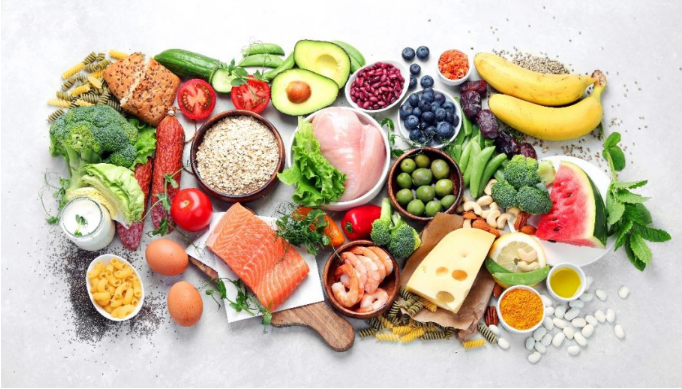
Food provides the building blocks your hormones need to function well. During perimenopause, maintaining stable blood glucose and reducing inflammation are essential.
Focus on:
- A variety of vegetables, especially leafy greens and cruciferous vegetables
- Healthy fats such as olive oil, avocados, flaxseed, and walnuts
- Quality protein to preserve muscle mass and metabolic health
- Whole-food fiber from beans, vegetables, and whole grains
- Adequate hydration through water and herbal teas
Limiting processed foods, excess sugar, and alcohol can significantly reduce hormone- related symptoms by lowering inflammation and cortisol levels.
When your cells are properly nourished, hormonal communication becomes steadier.
Movement That Supports Hormones and Energy

Exercise during perimenopause should build strength without placing unnecessary stress on the body.
Helpful forms of movement include:
- Strength training two to three times per week to preserve muscle and bone density
- Walking to support circulation, mood, and blood sugar balance
- Pilates-style stretching to improve mobility and joint health
- Gentle cardio such as swimming or cycling
- Faith-based movement, like prayer walking or quiet stretching with scripture reflection
Movement improves insulin sensitivity, lowers cortisol, and enhances mitochondrial function—the part of the cell responsible for energy production.
Consistency matters more than intensity.
Herbs and Supplements for Perimenopause Support
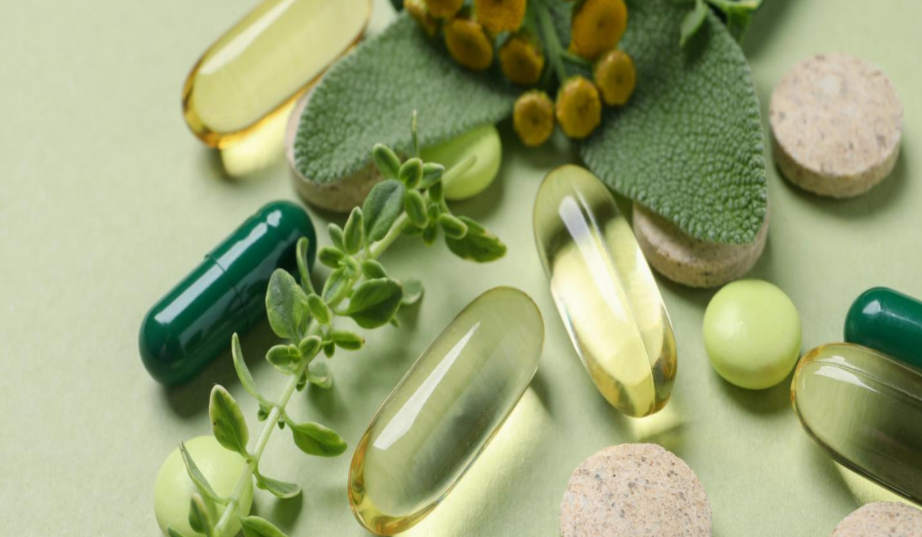
Herbal remedies have been used for centuries to help women navigate hormonal transitions. Many are now supported by modern research.
Commonly used options include:
- Black cohosh, often used for hot flashes and night sweats
- Red clover, which contains plant estrogens known as phytoestrogens
- Chasteberry (Vitex), traditionally used to support progesterone balance
- Maca root, which may support energy, mood, and libido
- Turmeric and ginger, known for their anti-inflammatory properties
Supplemental support may also include:
- Vitamin D and vitamin K for bone and immune health
- Magnesium for sleep, stress, and muscle relaxation
- Omega-3 fatty acids for brain and heart health
- B-complex vitamins to support energy and nervous system function
Supplements should complement nutrition and movement—not replace them—and should always be discussed with a qualified healthcare provider.
Important Screenings and Whole-Body Awareness

Perimenopause is an ideal time to become more proactive about your health.
Conversations with your healthcare provider may include:
- Thyroid function testing
- Vitamin D levels
- Iron and ferritin status
- Blood sugar and A1C
- Hormonal panels if symptoms are severe
Scripture reminds us that our bodies are temples. Caring for your health during perimenopause is an act of stewardship, not indulgence. This season invites greater awareness, not fear.
Conclusion: Perimenopause Is Not the End—It Is a Turning Point

Perimenopause does not mean you are losing yourself. It indicates your body is requesting a different kind of care.
When you understand the hormonal and cellular changes happening inside you, you stop guessing and start responding with wisdom. Through balanced nutrition, intentional movement, herbal support, and faith-centered self-care, it is possible to move through this season with strength, clarity, and confidence.
This chapter is not about decline. It is about becoming more rooted, more informed, and more intentional with your health.
Ready to Feel Stronger Without Strain?

Our 7-Week Workout and Wellness Plan for Women 40+ is designed to support hormonal balance, build strength safely, and restore energy—without burnout or extremes.
RESOURCES
- Harvard Health Publishing. "Perimenopause: Rocky Road to Menopause." Harvard Medical School, www.health.harvard.edu. Accessed 2024.
- National Institute on Aging. "What Is Perimenopause?" U.S. Department of Health and Human Services, www.nia.nih.gov. Accessed 2024.
- Axe, Josh. Ancient Remedies. Little, Brown Spark, 2021.
- Livingood, Blake. Living Good Daily. Livingood Daily, 2020.
- Zwickey, Heather. "Hormonal Transitions in Women and Immune Function." National University of Natural Medicine, 2018.
- The Holy Bible, New International Version. Zondervan, 2011.
Stay connected with news and updates!
Join our mailing list to receive the latest news and updates from our team.
Don't worry, your information will not be shared.
We respect your privacy. Your information is never shared or sold.